

OLATHE’S $50 MILLION RADAR FACTORY NOW FULLY OPERATIONAL — BUILDING TECHNOLOGY FOR AIRPORTS ACROSS AMERICA
What began as a major economic development announcement is now a working manufacturing operation. Indra’s new Olathe factory is producing advanced radar systems and aviation communications equipment as the federal government moves to replace aging air traffic control technology nationwide.
Some of the technology that will help air traffic controllers guide airplanes safely across America is now being built in Olathe.
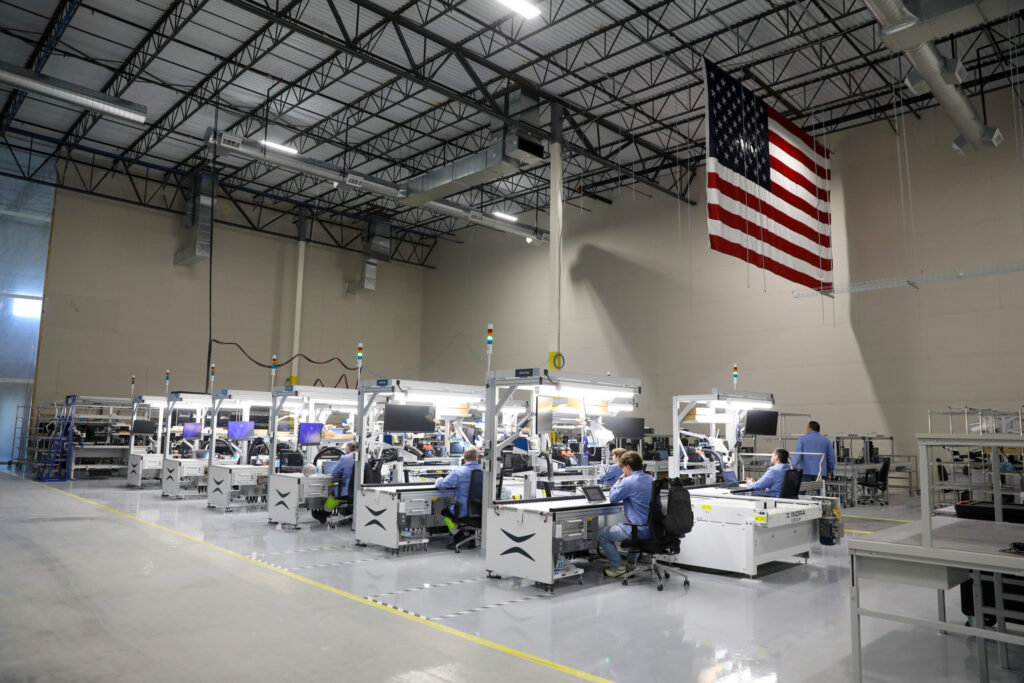
Inside a 118,000-square-foot manufacturing plant near 159th Street and Lone Elm Road, workers are assembling sophisticated radar systems and aviation communications equipment destined for the nation’s air traffic control network.
The $50 million Indra Group USA facility at 21100 W. 159th St. is now fully operational, with production underway on the radar systems that were a major reason for bringing the manufacturing operation to Olathe.
It’s an important milestone for a project that celebrated its grand opening in April but needed several more months to bring all its production lines online.
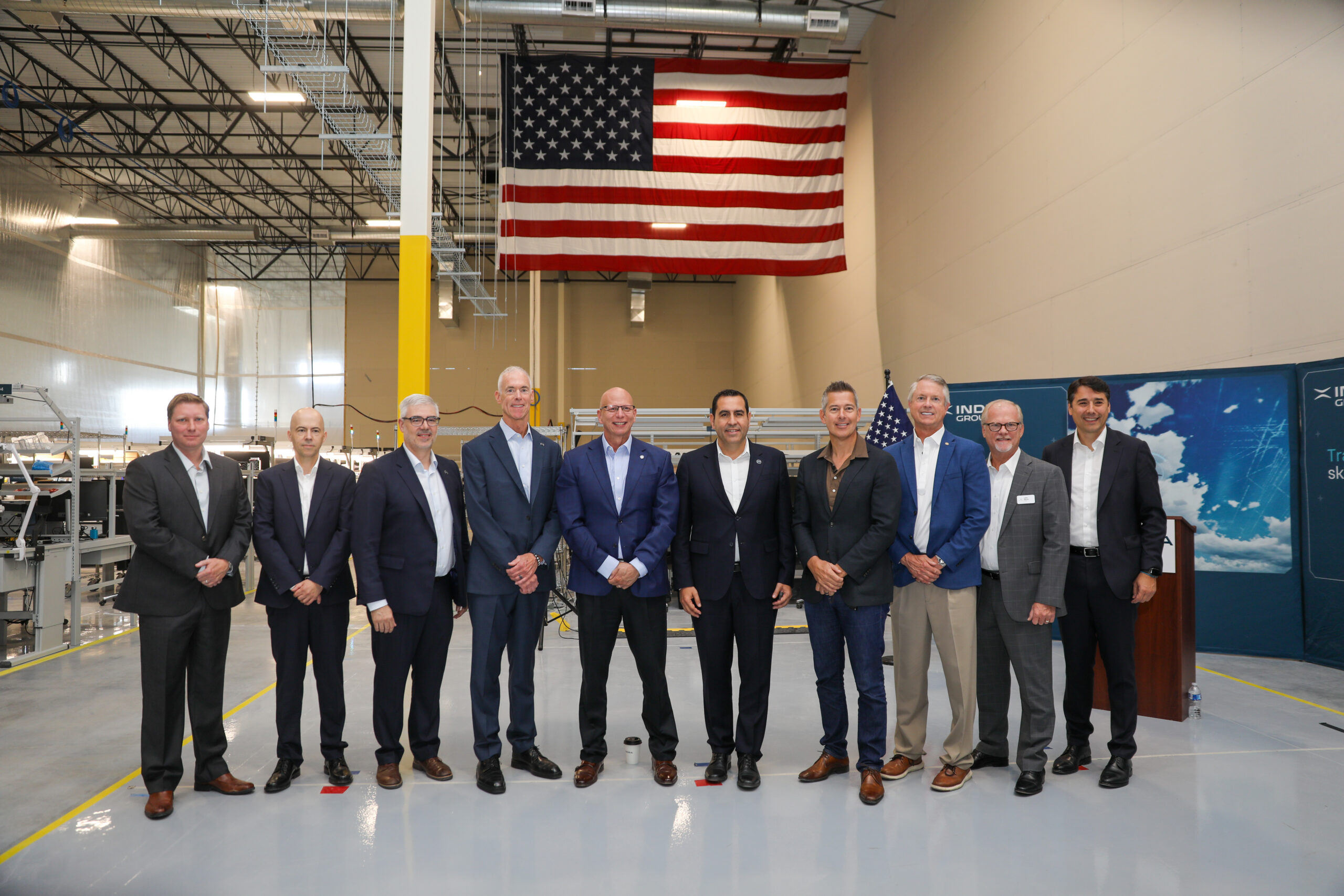
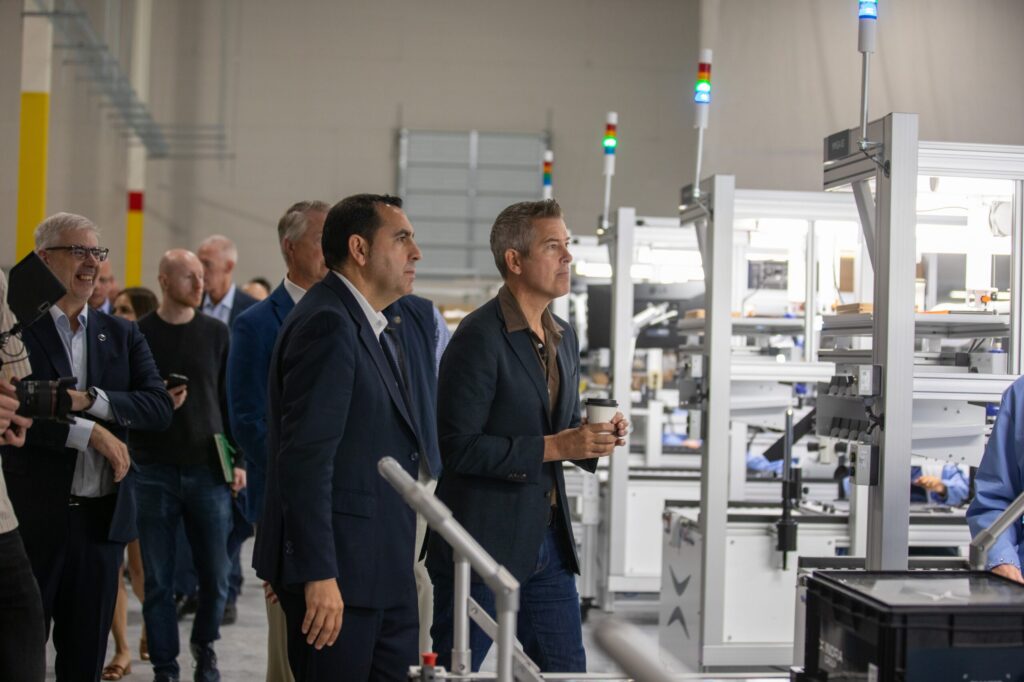
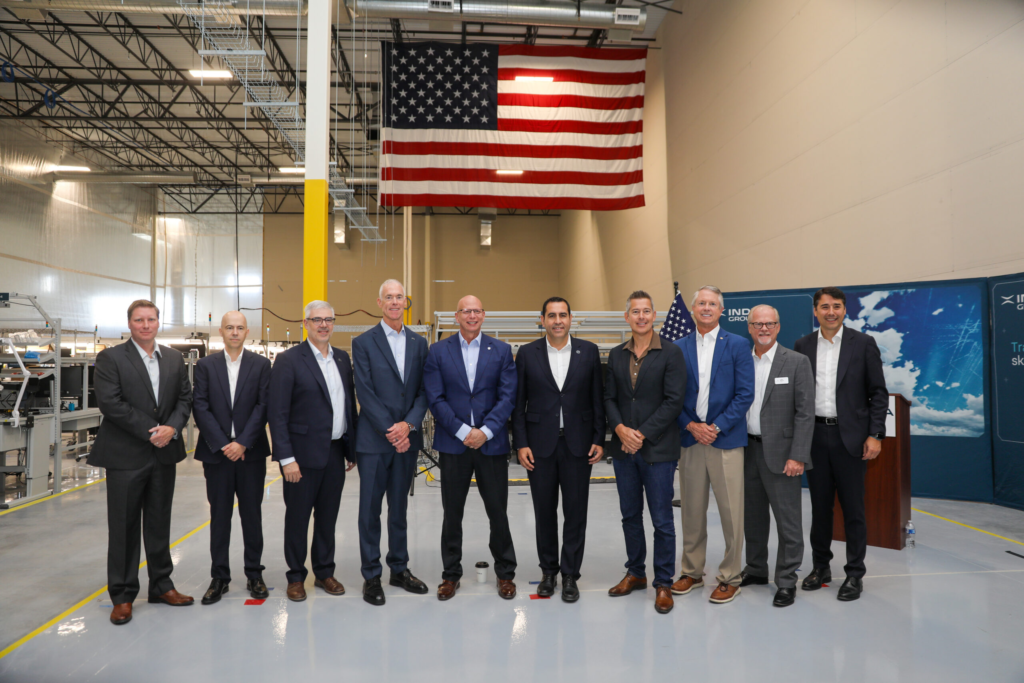
The development brought U.S. Transportation Secretary Sean Duffy, U.S. Sen. Roger Marshall, Federal Aviation Administration Chief Operating Officer Frank McIntosh and Olathe Mayor John Bacon to the factory for a tour of its manufacturing operations earlier this month.
The officials toured production lines and met with company executives as Indra prepared for a growing role in the federal government’s effort to modernize America’s aging air traffic control system.
For Olathe, the project represents more than another large industrial building. The city is becoming a manufacturing center for equipment used to monitor aircraft, communicate with pilots and support military aviation.
From grand opening to full production
Indra Group, a global technology company headquartered in Spain, opened its Olathe manufacturing center April 20 at the Great Plains Commerce Center.
The facility was designed to expand the company’s American manufacturing capabilities, particularly in radar technology and aviation communications.
But opening a factory and getting every production line operating are two different things.
By July, employees were already manufacturing digital air-to-ground radios, the equipment that allows air traffic controllers and pilots to communicate.
Other operations were being transferred from the company’s existing facility in Overland Park, while workers prepared the more complicated radar production area.
At the time, Bill Colligan, CEO of Indra Air Traffic, told the Olathe Chamber of Commerce that radar manufacturing was expected to begin during the third or fourth quarter of 2026.
That work is now underway.
The Olathe plant is producing next-generation radar systems along with NEXCOM digital radios used by air traffic control facilities.
The operation includes specialized electronics manufacturing and automated testing systems to ensure the equipment meets the demanding requirements of the aviation industry.
Replacing radar systems that have been operating for decades
The timing couldn’t be more important for the company.
The United States is undertaking a major modernization of its air traffic control infrastructure, replacing radar and communications equipment that, in some cases, has been operating for decades.
Some of the nation’s radar systems date to the 1980s, and keeping aging equipment running has become increasingly difficult and expensive.
Radar allows air traffic controllers to monitor aircraft positions and movements, helping them maintain safe distances between airplanes and manage traffic around busy airports.
In January, the FAA awarded Indra Group USA a $342 million contract to supply 185 new primary and secondary radar systems.
The contract is part of a broader federal effort to modernize hundreds of radar installations across the country.
Primary radar detects aircraft by transmitting radio signals and measuring their reflections. Secondary radar works with equipment aboard aircraft to provide additional information, including identification and altitude.
Together, the systems give air traffic controllers a clearer picture of what’s happening in the skies.
The newer equipment is intended to provide more reliable surveillance while reducing the maintenance difficulties associated with aging systems.
Indra is one of two major contractors participating in the federal radar replacement effort.
In June, the company announced the commissioning of a new secondary radar installation in Putnam, Oklahoma, part of the FAA’s modernization program.
That installation was completed before radar manufacturing began at the new Olathe plant and was not identified as an Olathe-built system.
With production now running here, however, the Olathe facility is positioned to support future radar deliveries.
More than radar
Although the radar systems are attracting considerable attention, the factory is also producing equipment essential to everyday aviation.
Its NEXCOM digital radios are used for communications between air traffic controllers and aircraft.
Those exchanges happen constantly, from the moment pilots request permission to move away from an airport gate until their aircraft land at their destinations.
Controllers use the systems to issue instructions, coordinate aircraft movements and communicate with pilots during different phases of flight.
The Olathe operation also is expected to produce more than 1,500 Automatic Dependent Surveillance-Broadcast, or ADS-B, radios.
ADS-B is part of the modern aviation surveillance network that provides more precise information about aircraft locations and movements.
The factory’s manufacturing plans extend into military aviation as well.
Indra is preparing to produce portable Tactical Air Navigation systems for the U.S. Air Force. The equipment helps military aircraft determine their position and navigate using ground-based stations.
That combination of products gives the Olathe facility an important role in both civilian and military aviation.
Federal officials visit Olathe
The factory’s growing importance was on display during the visit by Duffy, Marshall, McIntosh and Bacon.
The delegation toured the manufacturing operation and met with Indra executives to discuss the company’s role in American aviation and defense manufacturing.
Marshall has emphasized the importance of modernizing aviation infrastructure while expanding advanced manufacturing employment in Kansas.
The visit also highlighted the federal government’s interest in increasing domestic production of equipment used in critical transportation and defense systems.
Indra’s American operations have already delivered more than 3,500 radios, commissioned seven radar sites and installed airport surface-awareness systems at 12 airports.
Those accomplishments cover the company’s broader U.S. operations, rather than production exclusively from the new Olathe factory.
But they demonstrate the scope of the aviation programs the company is bringing to its Kansas manufacturing facilities.
More than 200 jobs planned in the Kansas City area
The Olathe factory is part of a larger expansion of Indra’s American operations.
The company also maintains a 40,000-square-foot facility in Overland Park, giving it two manufacturing locations in Johnson County.
The expansion is expected to support more than 200 local jobs across the two operations, including positions in engineering, electronics manufacturing, assembly, testing and related technical fields.
An updated employee count specifically for the Olathe factory has not been released.
The jobs add to the growing concentration of manufacturing and technology businesses along southern Olathe’s industrial corridor.
Unlike traditional distribution centers, where products arrive and are shipped elsewhere, the Indra operation is manufacturing complex electronic equipment.
That creates opportunities for engineers, skilled technicians and production workers who specialize in advanced technology.
It also gives Olathe a place in an industry that most residents rarely think about until they board an airplane.
Radar production now underway
When Indra opened its Olathe factory in April, much of the manufacturing equipment was still being installed. By July, workers were producing aviation radios, but the radar production lines weren’t ready.
Those lines are now operating, giving the company additional manufacturing capacity as the FAA moves forward with replacing aging radar equipment across the country.
Indra has not disclosed how many radar systems have been completed at the Olathe plant or when the first locally manufactured units will be installed.
The company expects the Olathe and Overland Park operations to support more than 200 local jobs as production expands.

 Something Different Media Group
